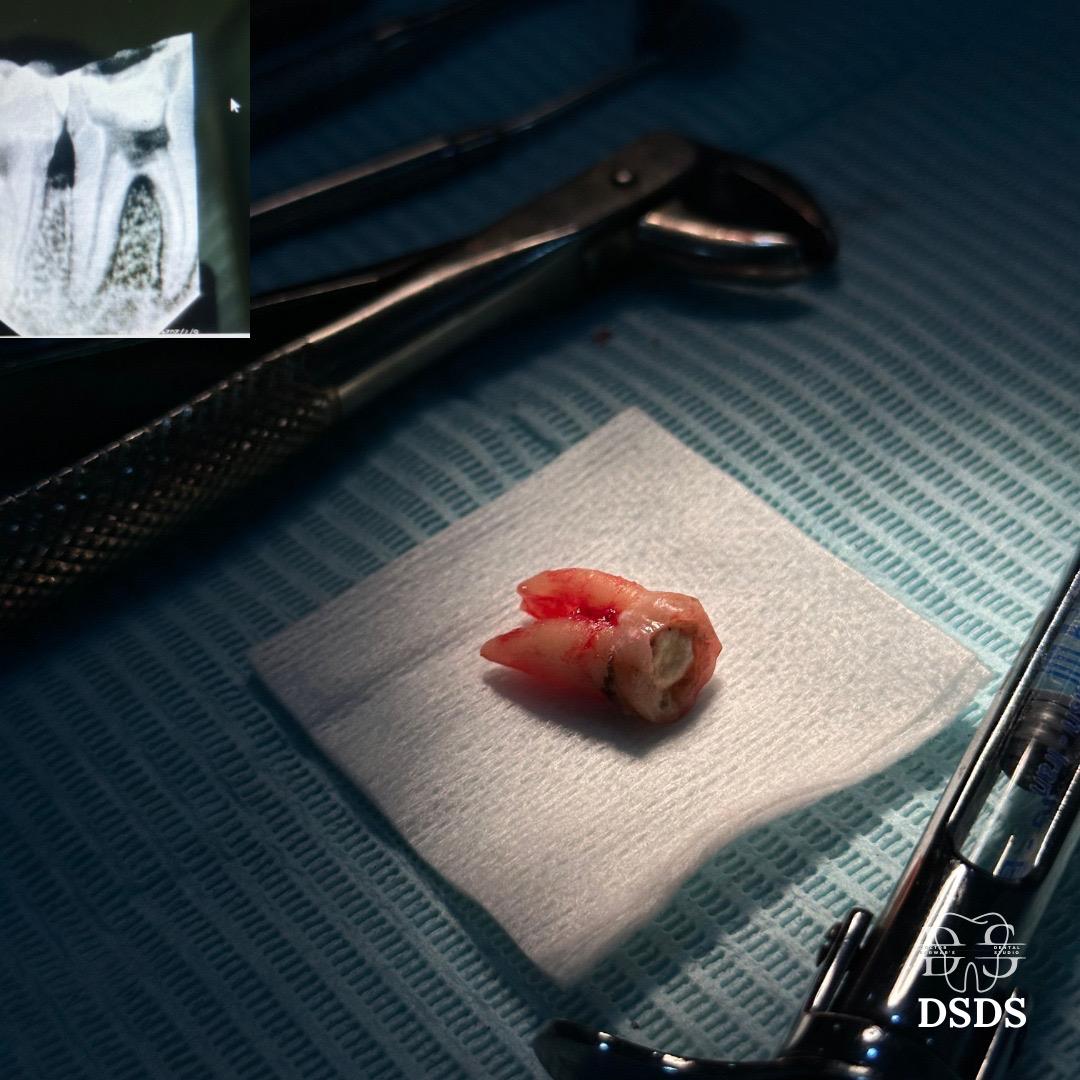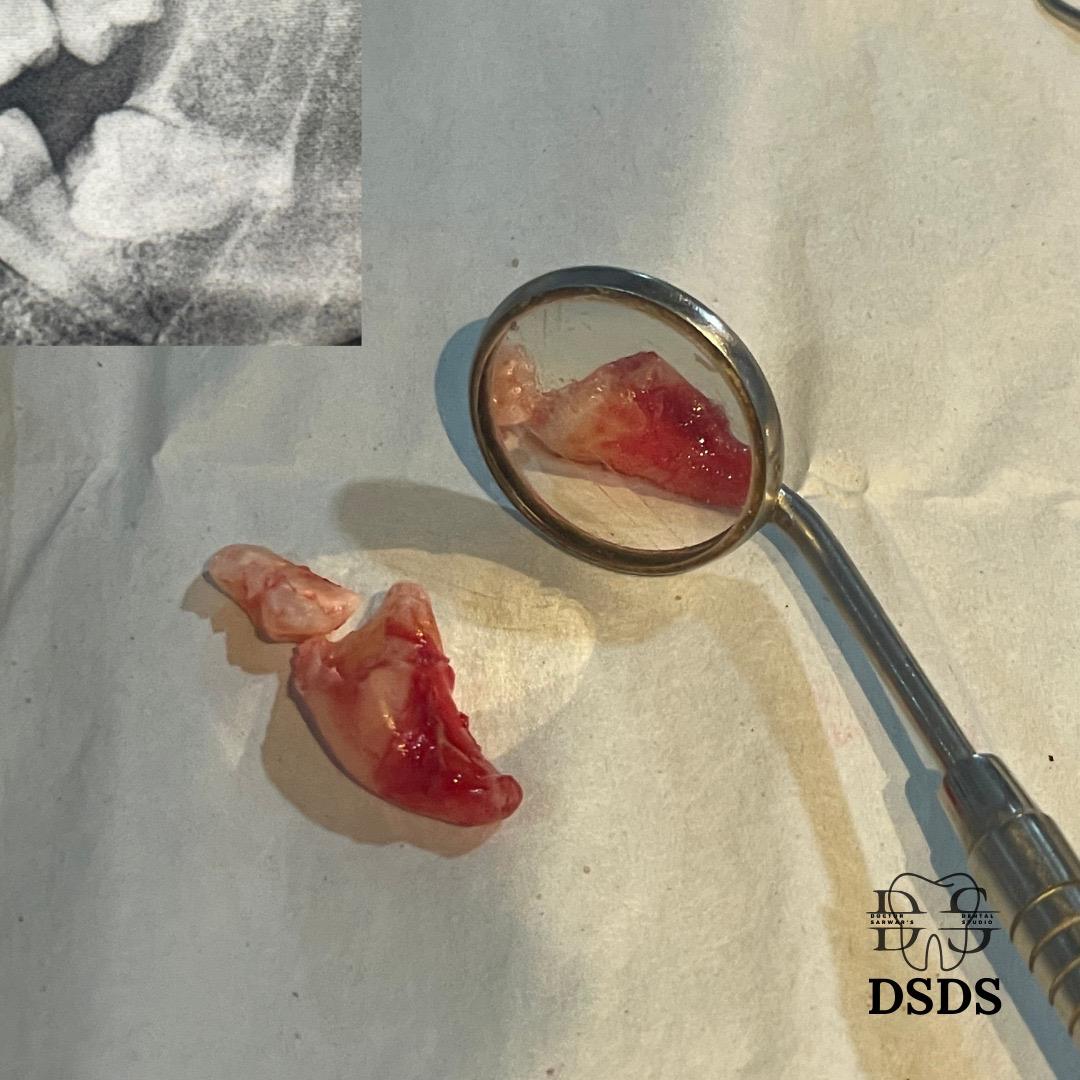

For the first 24 hours after a tooth extraction, eat cool or lukewarm soft foods that need almost no chewing — yoghurt, mashed potato, scrambled egg, smooth soup — and keep every bite away from the empty socket. Most people move back to a near-normal diet within a week, guided by comfort rather than a fixed calendar, as the gum gradually closes over the socket across the following few weeks. In our clinic, the patients who recover most smoothly are rarely the ones who eat the "perfect" foods. They're the ones who protect the blood clot and let it do its quiet work.
What can you eat in the first 24 hours?
Wait until the bleeding has settled and the numbness has worn off before you eat anything. That usually means a few hours. Many UK dental guidelines suggest not eating or drinking for roughly the first three hours, mostly so the clot can stabilise and so you don't bite a numb lip, cheek, or tongue without feeling it.
Once you're ready, the menu for day one is simple: soft, smooth, and cool to lukewarm. Think dahi or plain yoghurt, mashed potato, khichdi, soft scrambled egg, custard, smooth soup that has cooled down, well-blended daal, ripe mashed banana, or a smoothie eaten with a spoon. None of these ask your jaw to do real work, and none of them leave sharp fragments behind in the socket.
Temperature matters more than people expect on the first day. Hot food and drinks are best avoided for the rest of the day of your extraction — partly because heat can soften the clot, and partly because a still-numb mouth can be scalded before you notice. Cooler foods do the opposite: they feel soothing and can gently ease swelling.
One small habit makes a real difference here. Chew on the opposite side of your mouth, and let food find its way away from the wound rather than pushing it across the socket with your tongue. The gum over a fresh socket is doing something delicate, and the less it's disturbed, the better.
A day-by-day eating timeline after extraction
Healing isn't a switch that flips; it's a gradual reopening of your diet as the socket settles. The timeline below reflects what most dental and NHS aftercare guidance describes for a routine extraction. Treat it as a map, not a rulebook — your own pace depends on the tooth, the difficulty of the removal, and how your body heals.
| Stage | What's happening | What to eat |
|---|---|---|
| Day 1 (0–24 hrs) | Blood clot forming; bleeding settling; possible numbness | Cool/lukewarm smooth foods only: yoghurt, custard, mashed potato, blended soup, smoothie by spoon |
| Days 2–3 | Clot stabilising; swelling and soreness often peak | Soft foods needing minimal chewing: scrambled egg, soft daal, oats, mashed vegetables, soft cheese, ripe avocado |
| Days 4–7 | Discomfort easing; gum tissue beginning to close | Soft solids you can mash with a fork: soft-cooked pasta, flaked fish, well-cooked rice, soft fruit, tender chicken |
| Week 2 onward | Soft tissue continuing to close over the socket | Gradually return to most foods, chewing away from the site; still avoid very hard or crunchy items near it |
| Weeks 3–4+ | Gum usually closed over the socket; bone still remodelling underneath | Normal diet for most people; full bone healing continues quietly for months |
The general rule across reputable sources is reassuring: the soft-food phase is shorter than most people fear. Soft tissue over a simple extraction site typically closes across about three to four weeks, but you don't need to eat soup for a month. Many patients are comfortably back to a fairly normal diet within seven days, easing the firmer textures back in as soreness fades.
What confuses people is the gap between feeling healed and being healed. The gum can look closed while the bone underneath is still rebuilding — a process that can run for several months and matters a lot if you're planning to replace the tooth later. If a future implant or bridge is on the cards, your dentist will often want that bone to settle before starting. You can read more about the options on our tooth replacement page.
The best soft foods for healing (and the nutrients that matter)
Soft doesn't have to mean nutritionally empty. The early days after an extraction are exactly when your body is repairing tissue, so the goal is to choose foods that are gentle on the wound but still feed the healing process.
A few nutrients genuinely support wound repair, and you can get all of them from ordinary soft foods:
- Protein provides the raw material for new tissue. Eggs, dahi and yoghurt, soft daal and lentils, blended beans, tofu, paneer, and flaked soft fish all deliver it without hard chewing.
- Vitamin C is needed for collagen, the scaffolding your gum rebuilds with. Mashed soft fruit, smooth fruit purees, and well-cooked vegetables help here.
- Zinc acts as a cofactor in collagen formation and supports the immune response. Eggs, dairy, lentils, and soft-cooked meat are easy sources.
Here's the honest part, and it's where a lot of online advice oversells. Research on nutrition and wound healing shows that protein, vitamin C, and zinc clearly matter for tissue repair — but the dramatic benefits from loading up on supplements mostly show in people who are already malnourished or deficient. If you eat a reasonably balanced diet, no special powder or megadose will make a healthy socket close faster than it naturally would. The realistic aim is simply to keep eating well, not to chase a miracle food.
A practical chairside tip we share often: hydration quietly does a lot of the work. Sip water steadily through the day. A well-hydrated mouth is more comfortable, and staying nourished keeps you from feeling faint or shaky in the first couple of days, which is a surprisingly common reason people end up calling us after an extraction.
Foods and drinks to avoid, and why
Most of the "avoid" list comes down to one job: protecting the clot that's sitting in your socket. Dislodge it and you slow healing, expose bone, and invite pain. With that in mind, steer clear of the following in the first few days.
- Anything you sip through a straw. The suction can lift the clot straight out. Drink from the cup instead.
- Hard and crunchy foods — chips, crusty bread, nuts, popcorn, raw carrot. Sharp fragments can lodge in the socket or knock the clot loose.
- Sticky and chewy foods — toffee, chewing gum, naan that pulls — which drag at the wound and are hard to clear away.
- Very hot food and drinks on the day of surgery, for the clot and burn reasons above.
- Spicy and acidic foods early on, which can sting raw tissue.
- Alcohol for at least 24 to 48 hours. NHS guidance is firm on this: it can interfere with healing, increase bleeding, and doesn't mix well with some medications.
- Tiny seeds and grains like sesame or popcorn kernels, which are notorious for getting trapped exactly where you don't want them.
Smoking and vaping aren't food, but they belong on every avoid-list because they affect what's safe to do around eating and drinking. The act of drawing on a cigarette or vape creates the same clot-pulling suction as a straw, and the chemicals impair healing on top of that. Most UK guidance asks patients to avoid smoking for at least 24 to 72 hours; honestly, the longer you can hold off, the better.
Not sure your recovery is going the way it should?
Use this guide to plan your meals, then check in with a qualified dentist near you if pain worsens or anything feels off. An in-person look is the only way to know your socket is healing well.
Does what you eat really affect dry socket?
This is the question behind most of the worry, so let's be clear about what the evidence actually says. Dry socket — properly called alveolar osteitis — happens when the blood clot is lost or breaks down too early, leaving bone exposed. It usually announces itself with severe, throbbing pain that starts one to five days after the extraction, often radiating toward the ear, sometimes with a bad taste or smell.
So does food cause it? Indirectly, yes — but not in the way people assume. It isn't that eating a particular food "gives" you dry socket. It's that certain habits around eating and drinking physically disturb the clot. Straws, vigorous rinsing, spitting, poking the site with your tongue, and smoking are the usual culprits. The food itself matters mostly when it's hard enough to traumatise the socket or when fragments work the clot loose.
The single biggest modifiable risk factor isn't a food at all. A 2022 systematic review pooling multiple studies found dry socket occurred in roughly 13% of smokers compared with under 4% of non-smokers, with smokers facing around three times the odds. That's a striking gap, and it's the reason we push the no-smoking message harder than almost anything else after an extraction. If you want to know what abnormal looks like in detail, our guide on the signs and treatment of dry socket walks through it.
One myth worth retiring: antibiotics are not a routine way to prevent dry socket. Current guidance discourages handing them out as prevention, both because the evidence doesn't support it and because of the wider problem of antibiotic resistance. If you do develop dry socket, the usual treatment is gentle cleaning of the socket and a soothing dressing, not a course of pills. Your diet's job in all of this is modest but real: eat in a way that leaves the clot undisturbed, and you've done the part that's within your control.
Eating after a wisdom tooth or surgical extraction
A surgical extraction is a different recovery from a simple one, and your eating plan should reflect that. When a tooth is impacted, broken, or sitting low in the jaw — as wisdom teeth often are — the dentist may need to make a small incision, sometimes remove a little bone, and place stitches. More tissue is involved, so the cautious phase lasts longer.
For these cases, lean conservative. Stay on liquids and purees a little longer through the first day or two, then progress through soft foods more slowly than you might think you need to. Wisdom teeth sit right at the back, near the jaw joint, so chewing pressure lands differently and the sockets are easy to disturb. If stitches were placed, avoid putting real force near them until your dentist confirms things have settled; dissolvable stitches usually break down over one to two weeks.
Swelling also tends to be more noticeable after surgical removals, often peaking around the second or third day before easing. That can make opening your mouth and chewing uncomfortable, which is another reason soft, spoonable foods earn their place. If you want a sense of what's normal, our day-by-day breakdown of swelling after dental surgery sets out the typical curve.
One reassurance for anyone dreading the recovery: even after a tricky wisdom-tooth removal, the strict soft-food window is usually just a handful of days. You're not signing up for weeks of milkshakes. You're protecting a wound through its most fragile stage, then easing back to normal as your comfort allows.
Common myths about eating after an extraction
A few stubborn beliefs come up in the chair almost every week. Some are harmless; a couple can actually slow you down. Worth clearing up.
"I can only eat ice cream and soup for a week."
Pleasant as that sounds, it's not true, and it can leave you under-nourished right when your body needs fuel. Cold, soft foods are great for the first day or two, but you can and should bring in protein-rich soft foods quickly — eggs, daal, yoghurt, soft fish. A week of nothing but ice cream isn't a recovery diet; it's a sugar holiday your healing tissue won't thank you for.
"Ice cream is off-limits because it's cold and dairy."
Mostly a misunderstanding. Cold actually soothes the area, and plain soft ice cream eaten with a spoon is fine for many people in the first day or two. The real cautions are simpler: don't lick or suck it off in a way that creates suction, skip chunky mix-ins like nuts and toffee, and don't make it your only food.
"Dairy ruins your antibiotics, so avoid it completely."
This one is overstated. A specific class of antibiotics can interact with large amounts of calcium, but that's about timing and dose, not a reason to ban yoghurt from your recovery. The more common, genuine reason to delay milky foods is short-lived nausea after sedation or anaesthetic — if creamy food turns your stomach for a few hours, simply wait until it passes.
"Spicy food will speed up healing by killing germs."
It won't, and it tends to do the opposite for comfort. Spicy and acidic foods can sting exposed tissue and irritate the site early on. Save the karahi for when the socket has calmed down.
When to call your dentist
Most extractions heal without drama, and a little soreness, mild swelling, and slight oozing in the first day are all expected. The point of knowing the warning signs isn't to make you anxious — it's so you can act early if something genuinely needs attention rather than waiting it out.
Contact a dentist promptly if you notice:
- Pain that worsens after about day three instead of improving, especially severe throbbing — a possible sign of dry socket.
- Bleeding that won't settle with firm pressure on gauze. Our guide on how long bleeding after extraction is normal explains what to expect and when it's too much.
- A bad taste or smell that doesn't clear, or discharge from the socket.
- Fever, or swelling that keeps growing rather than peaking and easing.
And treat a handful of signs as urgent rather than routine. Swelling that spreads toward your eye, or that affects your breathing or swallowing, along with bleeding you simply cannot control, needs emergency care the same day — not a wait-and-see. These are uncommon, but they're the situations where speed genuinely matters.
The one rule that keeps recovery on track
If you remember nothing else, remember this: protect the clot, and the food choices mostly take care of themselves. Eat soft and cool for the first day, lean on nourishing soft foods as the soreness fades, skip straws and smoking, and let comfort tell you when to chew normally again. A tooth coming out is routine; a smooth recovery is mostly just patience plus a few gentle habits at the right moment.
Frequently asked questions
What can I eat in the first 24 hours after a tooth extraction?
Stick to cool or lukewarm soft foods that need no chewing: yoghurt, smooth soup, mashed potato, scrambled egg, dahi, custard, or a spooned smoothie. Keep food away from the socket, avoid anything hot, and never use a straw, which can dislodge the protective blood clot.
When can I eat solid food again after a tooth extraction?
Most people reintroduce soft solids within three to four days and return to a near-normal diet within a week, chewing on the opposite side. Let comfort guide you rather than a fixed date. Surgical and wisdom-tooth extractions usually need a few extra days of caution.
Can I eat ice cream after a tooth extraction?
Yes, plain soft ice cream eaten with a spoon can soothe the area in the first day or two. Skip anything you have to suck or lick off, avoid chunky mix-ins like nuts or toffee, and don't rely on it as your only food, since healing needs protein too.
Why can't I use a straw after an extraction?
Sucking through a straw creates negative pressure in the mouth that can pull the blood clot out of the socket. Losing that clot exposes bone and can trigger dry socket, a painful complication. Sip drinks straight from a cup for the first few days instead.
Is it okay to eat dairy after a tooth extraction?
For most people, yes, and soft dairy like yoghurt is a good early choice. If you feel nauseous from the anaesthetic or sedation, you may prefer to delay milk and creamy foods for a few hours. The popular idea that dairy ruins antibiotics is overstated for everyday foods.
What foods help a tooth extraction heal faster?
No food makes a socket heal faster than normal, but a balanced diet with enough protein, vitamin C, and zinc gives your body the building blocks for tissue repair. Eggs, dahi, lentils, soft fish, and well-cooked vegetables are easy, nutritious choices while you stick to soft textures.
How long should I avoid hot food and drinks after an extraction?
Avoid hot food and drinks for the rest of the day of your extraction, roughly the first 24 hours. While your mouth is numb you can burn yourself without noticing, and heat may soften the clot. Cool and lukewarm options are safer and more soothing early on.
Planning to replace the tooth later?
Once the socket heals, you have good options. Learn how the choices compare and what your next steps could look like with a qualified dentist near you.
References
- American Dental Association — MouthHealthy. "Extractions." mouthhealthy.org/all-topics-a-z/extractions
- University College London Hospitals NHS Foundation Trust. "Dental extractions: post-operative instructions." uclh.nhs.uk
- Guy's and St Thomas' NHS Foundation Trust. "Dental surgery and recovery." guysandstthomas.nhs.uk
- Bedfordshire Hospitals NHS Trust. "Removal of Teeth, Post-Operative Care Advice." bedfordshirehospitals.nhs.uk
- "Smoking as a Risk Factor for Dry Socket: A Systematic Review." Dentistry Journal (MDPI), 2022;10(7):121.
- "Systematic Review of Dry Socket: Aetiology, Treatment, and Prevention." (PubMed Central, PMC4437177).
- "Role of nutrition in wound healing and nutritional recommendations for promotion of wound healing: a narrative review." Journal of Clinical Nutrition, 2023.

Dr. Sarwar Naseer
A capable young dentist known for gentle, painless treatment and aesthetic dentistry. PMDC-registered, trained at Akhtar Saeed Medical & Dental College, and focused on comfortable patient care.
View full profile →
Dr. Uzair Ahmed
A prosthodontist with 12+ years of experience and an established name in restorative and prosthetic dentistry in Lahore. PMDC-registered, with FCPS specialisation from CMH Lahore Medical College.
View full profile →