
The best dentist in Lahore for you is a PMDC-registered dentist who is properly qualified for your specific treatment, works in a clean and well-equipped clinic, and explains your options honestly. That's the whole answer, and notice what it isn't: a single famous name or the fanciest waiting room. Lahore has hundreds of dentists across a huge range of prices and skill. I'm a prosthodontist, and I've rebuilt plenty of work that went wrong the first time. So here is how to choose well, step by step, before anyone touches your teeth.
Start here: is the dentist PMDC-registered?
This is the one check you should never skip. Every dentist practising legally in Pakistan must be registered with the Pakistan Medical and Dental Council, the national regulator. Registration means they hold a recognised dental degree and are accountable to a professional body. You can verify a dentist's registration yourself on the PMDC online portal at pmdc.pk. It takes a couple of minutes.
Why does this matter so much here? Because unqualified practitioners do exist, and a confident manner is not a qualification. Checking the register is how you filter them out in one step, before anything else on this list even comes into play.
BDS vs FCPS: the qualification difference that matters
Those letters after a dentist's name aren't decoration, and understanding two of them clears up most confusion. BDS is the basic dental degree. FCPS is a specialist qualification. Here's the plain-English version.
| Qualification | What it is | What it means for you |
|---|---|---|
| BDS | Bachelor of Dental Surgery, the dental degree plus a supervised house job, then PMDC registration | A qualified general dentist: check-ups, cleaning, fillings, simple extractions, and much of everyday care |
| FCPS | A postgraduate specialist qualification after BDS: a house job, then roughly four years of supervised residency and hard exams in one field | A specialist in that field, such as prosthodontics, orthodontics, or oral surgery, for complex cases |
| MCPS / MDS / MSc | Other recognised postgraduate qualifications of varying length and depth | Additional training beyond BDS, useful to check against the treatment you need |
Now the myth I want to correct, because it cuts both ways. More letters don't automatically make someone the right choice. You don't need a specialist to clean your teeth or place a simple filling, and paying specialist prices for routine care is money you don't need to spend. A good general BDS dentist does that work beautifully. What you do want is a specialist when the case is complex. I did my FCPS in prosthodontics over years of training, and that's the depth you're paying for on an implant or a full-mouth rebuild, not on a scale and polish.
Match the specialist to your treatment
Different problems call for different training. This is the mapping I'd give a friend.
- Crowns, veneers, bridges, dentures, implant restoration, full-mouth work: a prosthodontist. If you're comparing cosmetic options, our guide on composite versus porcelain veneers shows the kind of detail a specialist weighs.
- Surgical extractions, implant placement, jaw surgery: an oral and maxillofacial surgeon. Before comparing implant quotes, it helps to know the dental implant cost in Pakistan and what a fair one includes.
- Braces and aligners: an orthodontist, or a dentist who runs orthodontic cases day to day. See our overview of braces and aligners.
- Gum disease and gum surgery: a periodontist. If you're not sure how serious your gums are, gum disease explains the stages.
- Missing teeth, deciding between options: read implant, bridge, or denture, then see whoever suits the route you choose.
- Check-ups, cleaning, fillings: a trusted general dentist, close and convenient.
Judge the hygiene with your own eyes
You don't need a dental degree to read a clinic's hygiene. A few things tell you almost everything, and they follow the same infection-control principles good clinics use worldwide.
- Instruments come sterilised in sealed pouches from an autoclave, not from an open drawer.
- Disposables like needles and some tips are opened in front of you, fresh each time.
- The dentist and assistant change gloves between patients and clean their hands.
- Surfaces, the chair, and the light handles are visibly clean or covered with barriers.
Here's a simple test. Ask the receptionist or dentist how they sterilise their instruments. A clinic that cares will answer happily, maybe even show you. One that bristles at the question has told you what you needed to know.
Red flags that should make you walk away
Some warning signs are worth taking seriously, even when everything else looks polished.
- You're pushed to commit to expensive treatment on the first visit, or offered a "today only" discount.
- A firm price is quoted for complex work like implants or a full-mouth plan without an examination.
- Nobody will tell you clearly who will do the treatment or what they're qualified in.
- Hygiene looks careless, or your questions about it are brushed off.
- You're promised a guaranteed, permanent, or completely painless result. Honest dentistry deals in likelihoods, not guarantees.
- There's no written treatment plan you can take away and think about.
None of these on its own proves bad care, but each is a reason to slow down. Good dentists are comfortable with a patient who wants time and a second opinion.
Your checklist for choosing a dentist in Lahore
Put it all together and it's short enough to keep on your phone.
- Confirm PMDC registration. Verify it on pmdc.pk before anything else.
- Match the qualification to the job. BDS for routine care, a specialist for complex work.
- Match the specialist to your treatment. Prosthodontist, orthodontist, surgeon, or periodontist as needed.
- Inspect hygiene and sterilisation. Pouched instruments, fresh disposables, clean surfaces.
- Expect clear options and honest pricing. A written plan, no pressure, no phone quotes for complex work.
- Watch for the red flags. Guarantees, rushing, and vagueness are all reasons to pause.
- Trust what you see on the first visit. How you're treated at the start is the best preview you'll get.
One honest limitation before you go. No checklist guarantees a perfect outcome, because even excellent dentists see the occasional complication. What you're doing here is stacking the odds heavily in your favour, which is the most any of us can sensibly do.
The honest bottom line
Verify first, match the qualification to the treatment, and believe your own eyes on hygiene and honesty. Do that and the price becomes a fair comparison rather than a gamble. The best dentist in Lahore isn't a name on a list. It's the right, registered, well-matched pair of hands for the job in front of you.
Frequently asked questions
Who is the best dentist in Lahore?
There is no single best dentist for everyone, because the right choice depends on your treatment. The best dentist for you is one who is PMDC-registered, qualified for your specific procedure, works in a clean and well-equipped clinic, and explains your options honestly. Use a checklist rather than a ranking.
What is the difference between a BDS and FCPS dentist?
BDS is the basic dental degree that qualifies someone as a general dentist. FCPS is a postgraduate specialist qualification earned after BDS through several years of supervised residency and exams in one field, such as prosthodontics, orthodontics, or oral surgery. An FCPS dentist is a specialist in that area.
Do I always need a specialist dentist?
No. A good general BDS dentist handles routine care such as check-ups, cleaning, fillings, and simple extractions very well. Specialists matter for complex work like implants, braces, gum surgery, or full-mouth rehabilitation. Matching the qualification to the job is what counts, not always choosing a specialist.
How do I check if a dentist is registered in Pakistan?
Every practising dentist in Pakistan must be registered with the Pakistan Medical and Dental Council (PMDC). You can verify a dentist's registration on the PMDC online portal at pmdc.pk. This single check is the most important one, and it guards against unqualified practitioners.
How can I tell if a dental clinic is hygienic?
Look for instruments sterilised in an autoclave and stored in sealed pouches, disposables like needles opened in front of you, gloves changed between patients, and clean surfaces. Ask how they sterilise instruments. A good clinic answers that question gladly rather than taking offence.
What are red flags when choosing a dentist?
Warning signs include pressure to decide on expensive treatment immediately, a firm price for complex work without an examination, vagueness about who will treat you or their qualifications, poor hygiene, promises of guaranteed or permanent results, and no written treatment plan. Any of these is a reason to pause.
References
- Pakistan Medical and Dental Council (PMDC) — practitioner registration and verification portal. pmdc.pk.
- College of Physicians and Surgeons Pakistan (CPSP) — FCPS specialist training and examinations. cpsp.edu.pk.
- American Dental Association, MouthHealthy — Choosing a Dentist. mouthhealthy.org.
- Centers for Disease Control and Prevention (CDC) — Summary of Infection Prevention Practices in Dental Settings. cdc.gov.
- General Dental Council (UK) — Standards for the Dental Team and finding a dentist. gdc-uk.org.
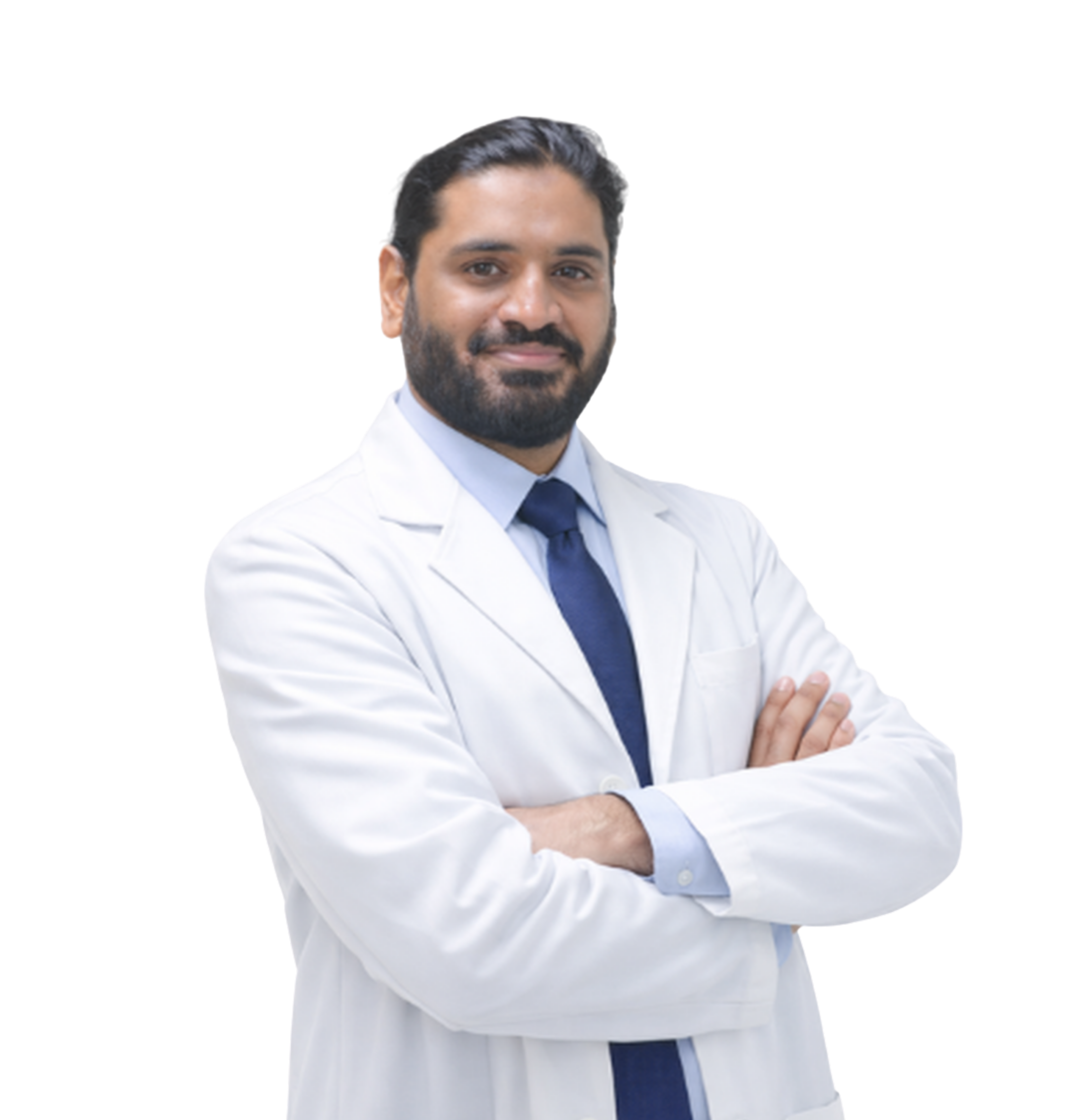
Dr. Uzair Ahmed
Dr. Uzair is a prosthodontist with over 12 years of clinical experience in restorative and prosthetic dentistry in Lahore, and completed his FCPS specialist training in prosthodontics.
View full profile →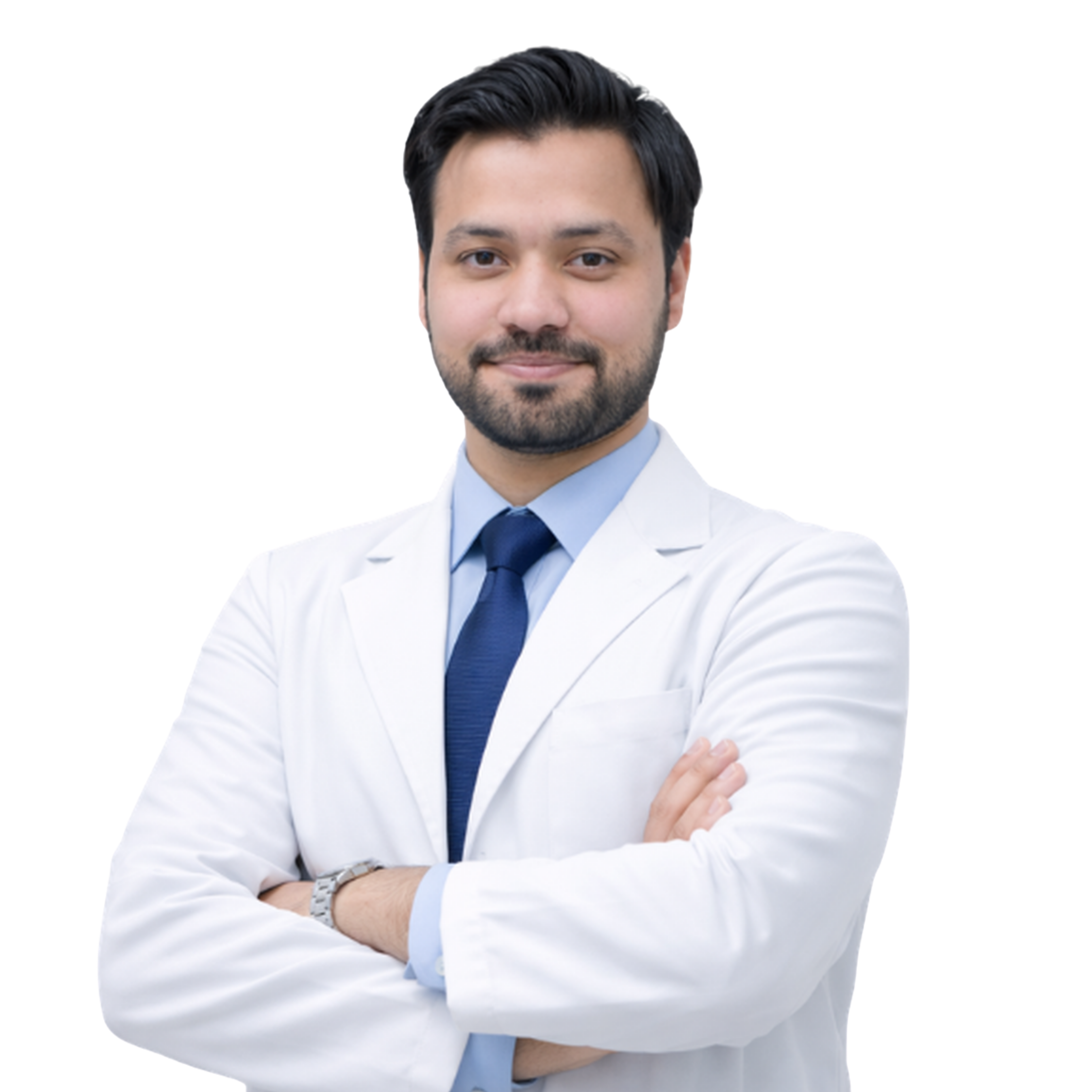
Dr. Sarwar Naseer
Dr. Sarwar is a dental surgeon known for aesthetic dentistry, smile makeovers, and gentle, painless treatment at Dental Specialists in DHA Phase 6, Lahore.
View full profile →