
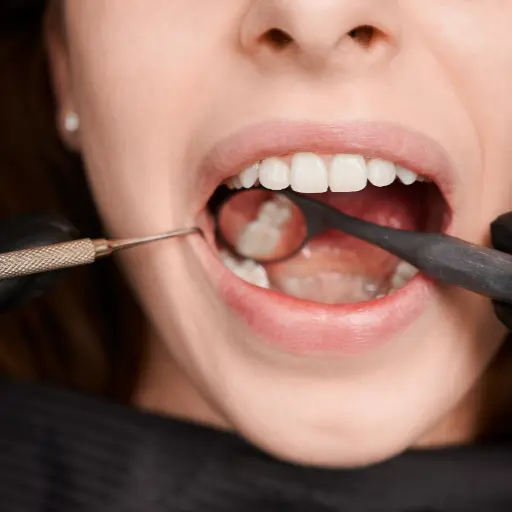
If a tooth feels high after a filling, the new filling is most likely sitting a fraction taller than your natural bite, so it hits the opposing tooth first and takes extra force every time you bite down. A quick, painless bite adjustment usually fixes it in minutes, and a little tenderness in the first few days is normal as the tooth settles. In our clinic, this is one of the most common after-filling calls we get, and it's almost always an easy fix — the real skill is knowing when to give it a couple of days and when to pick up the phone.
What does it mean when a tooth feels high after a filling?
Your teeth are designed to meet evenly. When you close your mouth, the bite force is meant to spread across many contact points at once, so no single tooth bears more than its share. A filling restores the shape of a tooth, and getting that shape to match your bite to a fraction of a millimetre is part of the craft. When the new filling ends up even slightly taller than the surrounding teeth, it touches down first, and that one tooth suddenly absorbs an outsized amount of force on every bite.
Dentists call this a high filling, a high bite, occlusal interference, or hyperocclusion — different names for the same thing. The feeling is usually unmistakable once the anaesthetic wears off: the tooth seems to stand proud, your bite feels off or uneven, and biting on that tooth is uncomfortable or sharply tender. It can show up as soreness in the tooth itself, and sometimes as a strange sensitivity to cold, for a reason we'll come to shortly.
The good news in that diagnosis is how minor the fix is. Unlike most dental problems, a high filling is corrected in a couple of minutes without drilling into the tooth or numbing you again.
Why it happens — even with a careful dentist
It's natural to wonder whether a high filling means something went wrong. It usually doesn't, and there's a simple, physical reason it happens even in skilled hands.
During the appointment, your jaw is numb and you're lying back in the chair. When the dentist asks you to bite together to check the filling, the bite you give in that position is genuinely not the same bite you use at the dinner table. A numb, reclined mouth tends to close a little tentatively and slightly off its normal path. So a contact point that felt perfectly level in the chair can reveal itself as a high spot once you're upright, the numbness has gone, and you're chewing properly again.
A couple of other things feed into it. Any minor swelling of the gum or the tooth's supporting tissues during treatment can settle over the following days, subtly changing how the tooth meets its neighbour. And the larger the filling, the more shape the dentist is rebuilding, which leaves more room for a tiny high spot to hide. None of this reflects carelessness; it's why dentists fully expect the occasional patient to come back for a small adjustment, and why a good practice treats that visit as part of the job, not an imposition.
Is some sensitivity after a filling normal?
Yes — and separating normal healing from a genuine problem is half the battle. A tooth that has just had decay removed and a filling placed has been through a fair amount, and a period of mild sensitivity afterwards is expected. Research on tooth-coloured (composite) fillings consistently recognises post-operative sensitivity as a common, well-documented phenomenon, particularly to cold and to pressure, that settles for most people over a short period.
As a rough guide, mild sensitivity to cold or to biting pressure usually eases within one to two weeks, and may take up to a month to disappear fully after a deeper filling. The key word is improving. Normal post-filling sensitivity follows a downward trend: a little uncomfortable at first, then steadily better day by day. What it should not do is stay the same or get worse.
That distinction is the one to hold on to. A filling that feels gradually more comfortable is almost certainly settling. A filling that feels persistently high, or where biting pain is holding steady or climbing after the first few days, is a different situation — and that's usually a high bite asking to be adjusted rather than nerve trouble. You can read more about what to expect from the procedure itself on our dental fillings page.
When should a high filling be checked?
Use this guide to tell normal settling from a bite that needs adjusting, then contact the dentist who placed the filling, or a qualified dentist near you, for a quick check. It's a fast, simple fix.
How long should you wait before calling the dentist?
So how do you tell the difference between a filling that just needs a few days to settle and one that needs the dentist's marking paper? Time and trend are your two best guides.
For the first two to three days, a slightly odd-feeling bite and mild tenderness are reasonable while everything settles and your mouth relearns the new shape. If, after about three days, the tooth still clearly hits first, feels distinctly high, or biting on it is uncomfortable, that's your cue to book a quick adjustment — it isn't going to even out by itself. And if discomfort is actively worsening after the first 48 hours rather than easing, don't wait out the full week; ring the dentist.
It's worth understanding why a high filling can also make a tooth feel cold-sensitive, because it surprises people. Each tooth sits in its socket cushioned by a thin ligament. When the filling is high, the tooth gets struck sooner and harder than it's used to, and that ligament becomes bruised and sore. That irritation can be felt not just as pressure pain but as sensitivity to cold. It's a useful clue: relieve the high spot, and that cold sensitivity often resolves along with the biting pain, because they share the same cause.
One honest caveat: these timeframes are guides, not hard rules. People heal at different rates, and judging your own bite is genuinely difficult. When you're unsure, a thirty-second check costs you nothing — and in our clinic, we'd far rather see you for that than have you struggle on.
| What you notice | Likely just settling | Likely needs an adjustment |
|---|---|---|
| Timing | First 2–3 days, easing | Still high after several days |
| Trend | Improving day by day | Holding steady or worsening |
| Bite feel | Slightly odd, settling | One tooth clearly hits first |
| Type of discomfort | Mild sensitivity to cold/pressure | Sharp pain on biting that one tooth |
| After 48 hours | Getting better | Getting worse — call the dentist |
Why you shouldn't just live with a high filling
Here's a misconception that does real harm: the idea that a high filling will simply wear down if you keep chewing on it, so you may as well grind through it. Please don't. Trying to wear a high spot flat by force loads the tooth exactly where it's already overloaded, and that's how problems start.
Left uncorrected, a genuinely high filling keeps concentrating bite force on one tooth, like a small stone in your shoe that you tread on with every step. Over time that constant overload can lead to ongoing pain when biting, lasting soreness in the tooth's supporting ligament, and aching or tired jaw muscles that can spread into headaches. In some cases the repeated stress can crack the tooth, which is a far bigger problem than the original filling and may then need a crown to hold it together. The overload can also keep the nerve irritated, prolonging sensitivity that would otherwise have settled.
Almost all of that is avoided by a single, quick adjustment. Patients often apologise for “bothering us” over a high filling, but it's one of the most satisfying fixes in dentistry — fast, painless, and genuinely protective of the tooth.
How a dentist fixes a high filling
The fix is refreshingly simple, which is exactly why it's worth coming in for. The dentist places a thin sheet of coloured marking paper, called articulating paper, between your teeth and asks you to bite and grind gently. Where the filling is hitting too hard, it leaves a darker mark — a precise map of the high spot.
With that mark as a guide, the dentist gently reshapes the tiny high area with a polishing instrument, removing a whisper of material and smoothing it. It usually takes a couple of minutes, needs no injection, and doesn't involve drilling into your tooth. Most people feel their bite drop into place immediately and notice the difference straight away.
Full comfort can lag a little behind that. If the tooth has been taking a pounding for a while, the bruised ligament needs time to recover even after the high spot is gone, so the last of the tenderness may take a week or two to fade. That delayed recovery is normal and not a sign the adjustment didn't work; it's simply the tooth's support tissues healing now that the overload has been removed.
When it's more than a high bite: nerve red flags
Most after-filling discomfort is a high bite or ordinary settling. Occasionally it's the nerve, especially after a deep filling where the decay reached close to the centre of the tooth, and it's worth knowing the signs that point that way rather than to a simple high spot.
Be alert if you notice pain that lingers for many seconds after something hot or cold, pain that builds on its own without a trigger, throbbing that's worse at night or when you lie down, or any swelling around the tooth. These are the patterns of an inflamed nerve rather than a bruised ligament, and a high-bite adjustment alone won't settle them. Sensitivity or biting pain that is still there, or worsening, beyond about two to four weeks also deserves a proper look, usually with an X-ray.
Where the nerve has become irreversibly inflamed, the tooth may need root canal treatment to remove the damaged tissue. That's a less common outcome than a simple adjustment, but it's the reason persistent or escalating pain after a filling should never just be tolerated indefinitely — the earlier it's assessed, the more options there usually are.
What to do meanwhile (and what not to do yourself)
While you arrange a quick check, a few sensible steps keep you comfortable and protect the tooth:
- Chew on the other side and favour softer foods, so the high tooth isn't taking repeated heavy loads.
- Ease discomfort sensibly with an over-the-counter painkiller such as paracetamol or ibuprofen, taken as directed on the packet; ask a pharmacist if you're unsure, and anyone under 16 should not take aspirin.
- Go easy on extremes of hot, cold, and sugary food and drink while the tooth is sensitive.
- Keep brushing gently around the tooth with a soft brush, and rinse with warm salt water if the gum feels tender.
And the one firm rule: never try to file, sand, or adjust a high filling yourself. It's impossible to judge your own bite accurately, household tools aren't sterile or precise, and you risk damaging the filling or the opposing tooth and making the bite worse. The professional adjustment exists precisely because it can't be safely improvised at home.
The bottom line on a high filling
A tooth that feels high after a filling is usually telling you something small and easily put right: the new surface sits a touch too tall, and your bite is concentrating on it. Give it a couple of days to settle, watch the trend rather than the single bad moment, and if it's not clearly improving, book the two-minute adjustment — it protects the tooth far more than toughing it out ever will.
Frequently asked questions
Is it normal for a filling to feel high at first?
A new filling can feel slightly odd for a day or two as your mouth adjusts, partly because your bite was numb during the appointment. A small amount of settling is normal. But a bite that still feels clearly high after a few days usually means the filling needs a quick adjustment.
How long does it take for a new filling to settle?
Mild sensitivity to pressure or cold usually settles within one to two weeks, sometimes up to a month for deeper fillings. A genuinely high bite, however, will not settle on its own. If discomfort is worsening rather than improving after a few days, see your dentist.
Can a high filling fix itself or wear down on its own?
You should not try to wear a high filling down by chewing on it. A small high spot may settle slightly, but a genuinely high filling keeps overloading the tooth, which can crack it or strain the jaw. The correct fix is a quick, painless bite adjustment by your dentist.
What happens if you leave a high filling untreated?
Leaving a high filling can lead to ongoing pain when biting, soreness in the tooth's supporting ligament, jaw-muscle ache or headaches, and in some cases a cracked tooth from the constant overload. It can also keep the nerve irritated. Most of this is avoided by a simple early adjustment.
Does adjusting a high filling hurt?
No. Adjusting a high filling is quick and usually needs no injection. Your dentist has you bite on marking paper to find the high spot, then gently reshapes it in a couple of minutes. Most people feel the bite improve immediately, though full comfort can take a few more days.
When should I worry about pain after a filling?
Contact your dentist if pain worsens after 48 hours, if biting pain or sensitivity is still there after two to four weeks, or if you have lingering pain to hot or cold, spontaneous throbbing, night pain, or swelling. Those can signal nerve involvement rather than a simple high bite.
A quick check beats weeks of an uneven bite.
If a filling still feels high after a few days, contact the dentist who placed it or a qualified dentist near you. The adjustment is fast, painless, and protects the tooth.
References
- National Health Service (NHS). Toothache. nhs.uk. Page last reviewed 1 July 2024. Available at: https://www.nhs.uk/symptoms/toothache/
- American Association of Endodontists. Endodontic Diagnosis (Colleagues for Excellence). Fall 2013.
- Hennessy BJ. Pulpitis. Merck Manual Professional Edition. Reviewed/revised 2024. Available at: https://www.merckmanuals.com/professional/dental-disorders/common-dental-disorders/pulpitis
- Reis A, Dourado Loguercio A, Schroeder M, Luque-Martinez I, Masterson D, Cople Maia L. Does the adhesive strategy influence the post-operative sensitivity in adult patients with posterior resin composite restorations? A systematic review and meta-analysis. Dental Materials. 2015 Sep;31(9):1052–1067. doi:10.1016/j.dental.2015.06.001.
- Sabbagh J, Fahd JC, McConnell RJ. Post-operative sensitivity and posterior composite resin restorations: a review. Dental Update. 2018;45(3):207–213. doi:10.12968/denu.2018.45.3.207.

Dr. Sarwar Naseer
A PMDC-registered dental surgeon known for gentle, comfortable treatment and aesthetic dentistry, with a focus on fillings, prevention, and relieving dental pain.
View full profile →
Dr. Uzair Ahmed
A prosthodontist with over 12 years of clinical experience in restorative and prosthetic dentistry, including bite, occlusion, and the balancing of restorations.
View full profile →