
Most dental implants last well beyond ten years, with pooled research putting survival above 90% at the ten-year mark and around 90% at fifteen years. The number that trips people up is hidden in that sentence: an implant is really two things. The titanium screw in the bone is built to stay for life. The crown bolted on top is a working part that takes every bite you make, and it's the piece that usually wears out first. Get those two apart in your head and the whole question makes more sense.
What the survival studies actually say
Here's the evidence, without the marketing gloss.
A 2019 systematic review in the Journal of Dentistry, pooling contemporary implant systems, put ten-year survival at the implant level at 96.4%. That's the headline figure, and it's a good one. The same authors then ran a more conservative analysis that assumed the worst about patients who dropped out of the studies, and survival fell to 93.2%, with the risk of loss roughly doubling in patients over 65. Both numbers are strong. The gap between them is the honest bit: study patients are followed closely, and real mouths in the real world vary.
Longer data tells the same story with a gentle downward slope. A cohort of more than 10,000 implants followed for up to 22 years reported cumulative survival of 96.8% at ten years and 94% at fifteen years at the implant level. Push out to twenty years, where the evidence thins considerably, and a 2024 meta-analysis landed on roughly four in five implants surviving. That's not a failure rate to fear. It's what durability looks like when you measure it honestly across two decades.
| Time in function | Approximate implant survival (pooled research) |
|---|---|
| 10 years | Around 93–97% |
| 15 years | Around 90–94% |
| 20 years | Roughly 78–92% (thinner, more variable data) |
Figures are pooled ranges from systematic reviews and long-term cohort studies, not a guarantee for any individual. Survival means the implant is still in place and functioning; individual outcomes vary with health, habits, and maintenance.
The implant lasts longer than the crown
This is the single most useful thing to understand, and most people learn it the awkward way, years later.
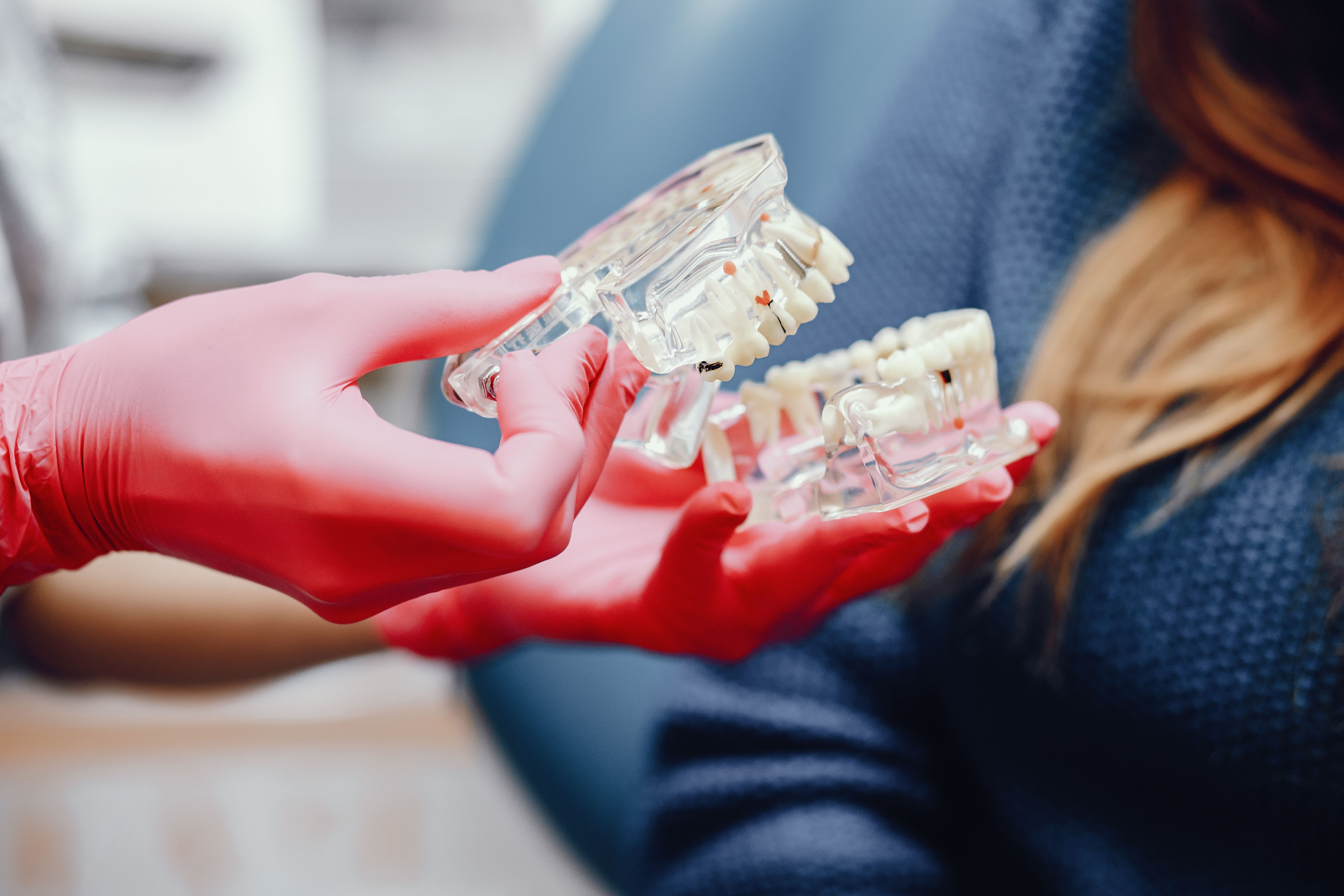
The fixture is the titanium root. Once it fuses to your jawbone, a process called osseointegration, it behaves like a permanent part of you, and in a healthy mouth it can stay for the rest of your life. The crown is different. It's the visible tooth that does the chewing, and like anything that works for a living it wears, chips, or stops matching its neighbours after roughly ten to fifteen years. Replacing it is usually straightforward and doesn't mean touching the implant underneath.
So when someone says their implant "only lasted twelve years", nine times out of ten what they mean is the crown needed swapping and the root is still doing its job. That's routine maintenance, the way a car needs tyres long before it needs an engine. If you want the full breakdown of the parts, our step-by-step guide to the dental implant process walks through the fixture, the abutment, and the crown.
"Survival" and "success" aren't the same word
Researchers use two words, and the difference matters to you.
Survival just means the implant is still there. Success is a higher bar: still there, and healthy, with no infection, no bone loss beyond the expected, no ongoing problem. An implant can survive while quietly losing bone around it, which is why the survival percentages look so reassuring while dentists still bang on about maintenance. You want both. The good news is that the same handful of habits protect both, and I'll get to those.
What shortens an implant's life
Implants rarely fail for random reasons. The risk factors are known, and most are things you can influence.
The big long-term threat has a name: peri-implantitis. It's an inflammatory infection of the gum and bone around the implant, the implant's version of gum disease, and left unchecked it eats away the bone holding the implant in. The 2017 World Workshop, the field's main consensus meeting, identified the strongest risk factors for it as a history of gum disease, poor plaque control, and skipping maintenance visits. If you've lost teeth to gum disease before, that same tendency doesn't vanish when the tooth is replaced with titanium.
Smoking is the one worth stating plainly. The consensus evidence puts the risk of losing a functionally loaded implant at around 2.25 times higher in smokers than non-smokers, and higher still when the implant sits in grafted bone. The evidence linking smoking specifically to peri-implantitis is a little mixed, which the researchers acknowledge, but on implant loss the signal is clear and it points one way.
Poorly controlled diabetes is a genuine risk factor too, working through the same impaired healing that raises gum-disease risk generally. Well-controlled diabetes is far less of a concern, which is rather the point: control matters more than the diagnosis alone. And then there's raw mechanical force. Grinding and clenching, what dentists call bruxism, overloads the crown and stresses the bone, and it's a common reason crowns fracture early. If you grind, a night guard isn't an upsell, it's insurance. We cover the warning signs of trouble in more detail in 7 signs of a failing dental implant, and the grinding link in signs of teeth grinding.
What you can do to make it last
None of this is exotic. It's the boring stuff, done consistently, which is exactly why it works.
- Clean around the implant like it's a natural tooth. Brush twice a day and clean between the teeth daily. An implant can't get a cavity, but the gum and bone around it absolutely can get infected, and that's what you're protecting.
- Keep your maintenance visits. This is the one people quietly drop after a year or two, and it's the one that catches bone loss while it's still fixable rather than a crisis.
- Don't smoke. If you do, an implant is one more good reason to stop, and stopping genuinely improves the odds.
- Control diabetes. Steady blood sugar protects the bone that holds the implant.
- Wear a night guard if you grind. Cheaper than a new crown, and much cheaper than a new implant.
Here's the honest limitation on all of this: even a model patient can be unlucky, and even a careless one can sail through for years. The habits shift the odds firmly in your favour, they don't hand you a guarantee. Anyone who tells you otherwise is selling.
When an implant does fail, then what?
It's not the end of the road. If an implant is lost, the usual path is to let the site heal, rebuild bone volume with a graft if the area needs it, and place a new implant once the ground is solid again. A dentist will want to understand why the first one failed before planting a second, because replacing the implant without addressing the cause, whether that's smoking, uncontrolled gum disease, or overload, just repeats the problem. For anyone weighing an implant against the alternatives in the first place, our comparison of implant vs bridge vs denture lays out how the longevity stacks up against the other options.
The honest bottom line
Dental implants are the longest-lasting tooth replacement dentistry has, and the numbers back that up: above 90% survival at fifteen years, with the titanium root often lasting a lifetime and the crown a replaceable part along the way. What no one can hand you is the word "forever". What you can do is stack the odds, and the biggest lever isn't the implant brand or the clinic's logo. It's the ten minutes a day you spend cleaning around it and the appointment you don't skip.
Frequently asked questions
How long do dental implants last on average?
In pooled research, dental implants show survival above 90% at ten years and around 90% at fifteen years. Twenty-year data is thinner but still points to roughly four in five implants surviving. The titanium fixture itself can last a lifetime; the crown on top is the part that usually wears out first.
Do dental implants last a lifetime?
The fixture often can, and long-term studies follow implants functioning well past twenty years. But no honest dentist guarantees forever. Survival is high, not certain, and it depends on gum health, smoking, diabetes control, bite forces, and regular maintenance. Think of it as the longest-lasting tooth replacement, not a permanent one.
What is the difference between the implant and the crown?
The implant is the titanium screw fused into the jawbone, which is designed to stay for life. The crown is the visible tooth-shaped cap on top, which takes the daily chewing forces and commonly needs replacing after roughly ten to fifteen years. Replacing a crown does not usually mean disturbing the implant beneath it.
What causes a dental implant to fail?
The main long-term threat is peri-implantitis, an inflammatory infection that destroys the bone anchoring the implant. Its main risk factors are a history of gum disease, poor plaque control, missed maintenance visits, and poorly controlled diabetes. Smoking roughly doubles the risk of losing an implant compared with non-smokers.
How can I make my dental implant last longer?
Clean around it as carefully as a natural tooth, brushing and cleaning between teeth daily. Keep regular maintenance visits so problems are caught early. Don't smoke. Control diabetes if you have it. Wear a night guard if you grind, since excessive force fractures crowns and stresses the bone.
Can a failed implant be replaced?
Often, yes. If an implant is lost, the site is allowed to heal, bone grafting is sometimes needed to rebuild volume, and a new implant can usually be placed later. A dentist assesses the bone and the reason for the original failure before planning a replacement.
References
- Howe M S, Keys W, Richards D. (2019). Long-term (10-year) dental implant survival: a systematic review and sensitivity meta-analysis. Journal of Dentistry, 84, 9–21.
- Kupka J R, König J, Al-Nawas B, Sagheb K, Schiegnitz E. (2024). How far can we go? A 20-year meta-analysis of dental implant survival rates. Clinical Oral Investigations, 28(10), 541.
- Jemt T, et al. (2021). Long-term clinical performance of 10,871 dental implants with up to 22 years of follow-up: a cohort study in 4,247 patients. Clinical Implant Dentistry and Related Research.
- Schwarz F, Derks J, Monje A, Wang H-L. (2018). Peri-implantitis: consensus report of workgroup 4 of the 2017 World Workshop on the Classification of Periodontal and Peri-Implant Diseases and Conditions. Journal of Periodontology, 89(Suppl 1), S267–S290.
- Renvert S, Persson G R, Pirih F Q, Camargo P M. (2018). General and acquired risk factors and prevalence of peri-implant diseases: consensus report of working group 1. Journal of Periodontology / Journal of Clinical Periodontology.
- Berglundh T, et al. (2018). Peri-implant diseases and conditions: consensus report of workgroup 4 of the 2017 World Workshop. Journal of Clinical Periodontology, 45(Suppl 20), S286–S291.

Dr. Uzair Ahmed
Dr. Uzair Ahmed has more than 12 years of clinical experience in restorative and prosthetic dentistry in Lahore, with BDS and FCPS specialisation from CMH Lahore Medical College. He is PMDC-registered and leads implant restoration and full-mouth rehabilitation cases at the clinic.
View full profile →
Dr. Sarwar Naseer
Dr. Sarwar Naseer is a PMDC-registered dental surgeon with around four years of clinical experience, qualified from Akhtar Saeed Medical & Dental College. He is known for aesthetic dentistry, smile makeovers, and a gentle, painless approach to treatment.
View full profile →